Endocrinology is the study of medicine that relates to the endocrine system, which is the system that controls hormones.



Endocrinology is the study of medicine that relates to the endocrine system, which is the system that controls hormones.

Bioidentical hormones are sometimes called “natural” hormones—even though they are made in a laboratory—because they come from plant sources before being altered to be like human hormones. Not all hormones made from natural sources are bioidentical. There are two types of bioidentical hormone products.

An umbrella diagnosis suggested for literally dozens of common ailments from fatigue, to depression, to headaches, is “Wilson’s Temperature Syndrome.”

The term “adrenal fatigue” has been used to explain a group of symptoms that are said to occur in people who are under long-term mental, emotional, or physical stress.

Hormone abuse by adults and children is a serious concern. Recent studies show that 4.2% of all high school males and 2.9% of high school females report having taken anabolic steroids without a doctor’s prescription. Anabolic steroids are related to testosterone, the major male hormone.

The endocrine system is a network of glands and organs that produce, store, and secrete hormones. When functioning normally, the endocrine system works with other systems to regulate your body’s healthy development and function throughout life.

Hormones have many important effects on women’s health. The female sex hormones, estrogen and progesterone, are most well-known because their influence on a woman’s reproductive health, from menstruation to pregnancy to menopause and more.
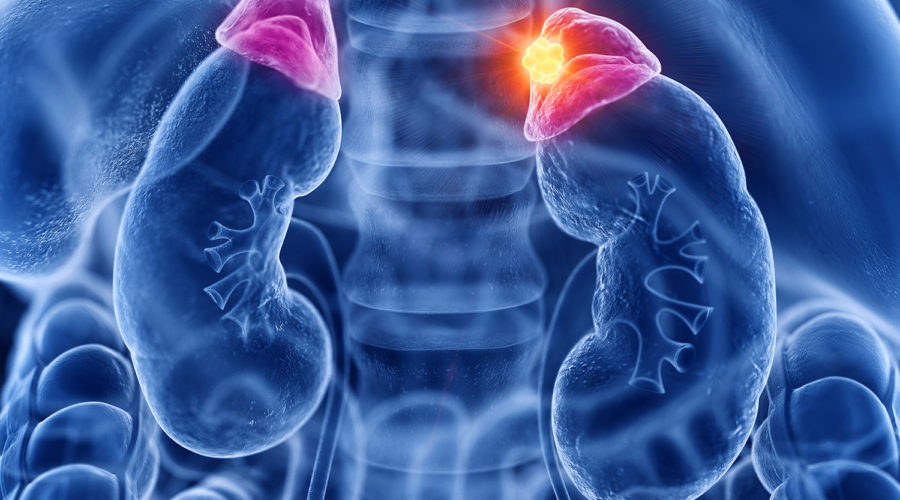
This gland produces androgens and cortisol. It helps to control blood sugar.
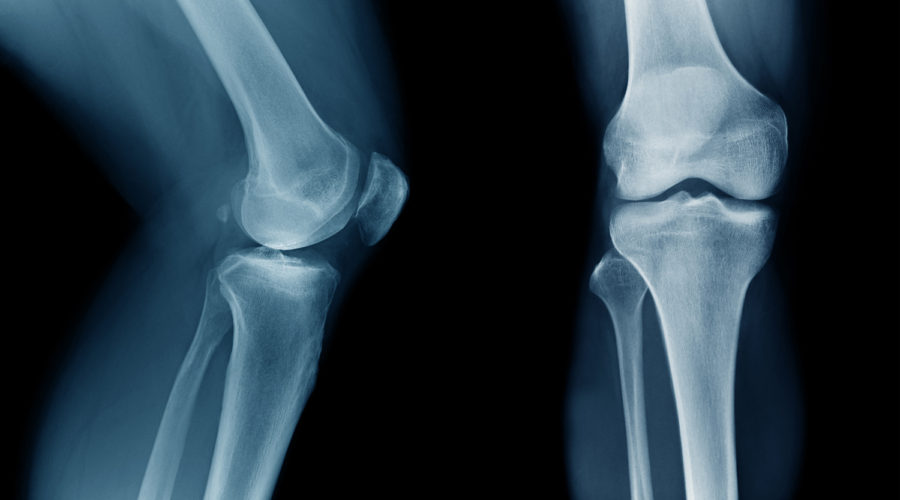
Osteoporosis, which means porous bones, is a progressive condition in which bones become structurally weak and are more likely to fracture or break.
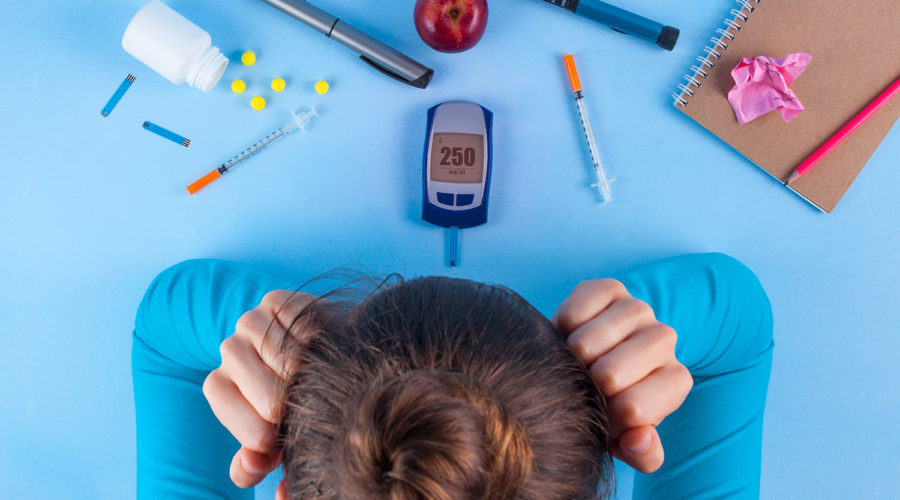
Whether you’ve been newly diagnosed, have been fighting against type 1 or type 2 diabetes for a while or are helping a loved one, you’ve come to the right place.
© 2026 · Wichita Diabetes and Endocrinology